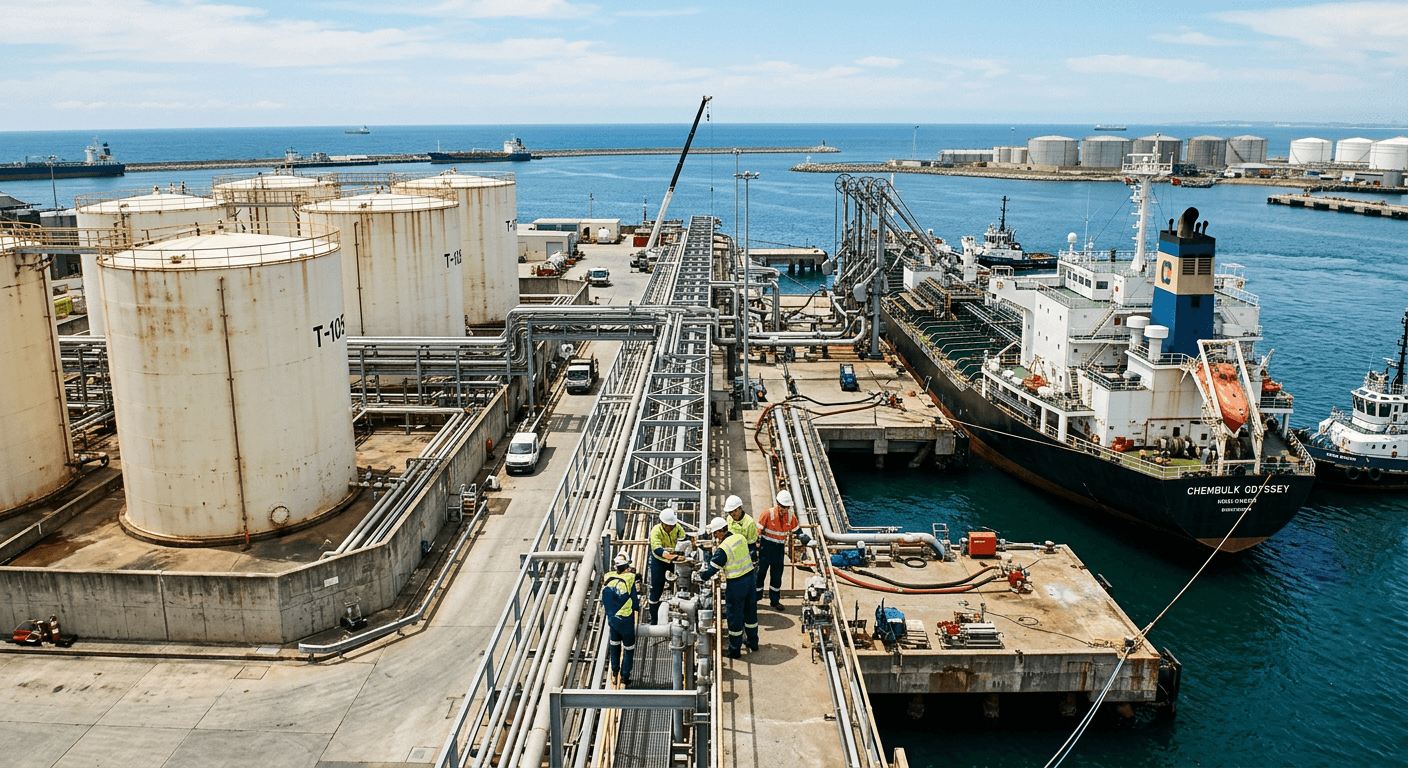

The reopening of Gulf shipping routes is creating a new procurement cycle for the marine chemical industry. During months of restricted vessel movement, thousands of commercial ships continued operating while consuming essential water treatment and maintenance chemicals required for safe and efficient operations.
As vessels gradually leave the Gulf and return to regular trading routes, operators are expected to replenish depleted inventories. This recovery phase presents new opportunities for chemical manufacturers, distributors, and marine service providers supplying the shipping industry.

Why Vessel Chemical Demand Is Rising
Commercial vessels continuously consume maintenance chemicals even when anchored or operating under restricted conditions.
Essential onboard chemical requirements include:
Water treatment
Cooling system protection
Corrosion prevention
Biofouling control
Fuel preservation
Equipment maintenance
Inventory replenishment becomes essential before vessels return to normal commercial operations.
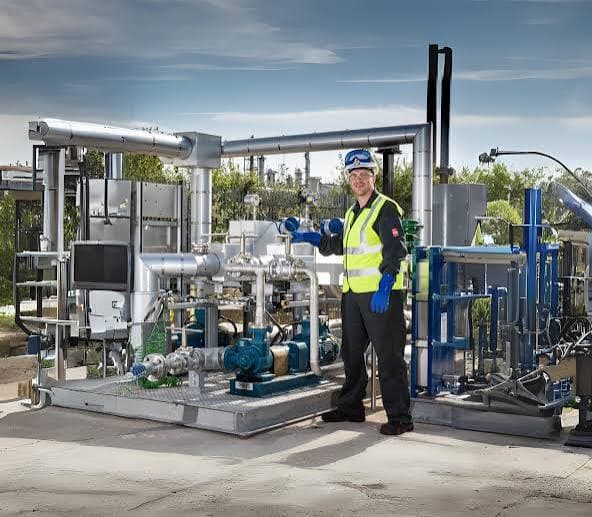
Water Treatment Remains Critical for Ship Operations
Modern vessels rely on specialized treatment chemicals to maintain onboard water quality and equipment performance.
Key applications include:
Potable water treatment
Cooling water systems
Boiler water conditioning
Reverse osmosis systems
Wastewater treatment
Ballast water management
Reliable chemical supplies help ensure safe and efficient vessel operations.
Sodium Bicarbonate (Feed) CAS: 144-55-8
Marine Maintenance Chemicals Support Fleet Reliability
Routine maintenance chemicals protect valuable marine equipment from corrosion, contamination, and biological growth.
Important product categories include:
Antifouling solutions
Corrosion inhibitors
Fuel stabilizers
Cleaning chemicals
Descaling agents
Biocides
Regular maintenance reduces downtime and extends equipment life.
Distributors Should Prepare for Inventory Replenishment
Marine chemical suppliers may experience increased purchasing activity as vessels rebuild onboard inventories.
Recommended actions include:
Increase stock availability.
Review regional warehouse inventories.
Strengthen supplier coordination.
Improve delivery planning.
Monitor shipping schedules.
Prepare flexible procurement programs.
Efficient inventory management supports faster customer response during recovery.
Long-Term Growth for Marine Water Treatment
Global shipping continues placing greater emphasis on environmental compliance and operational efficiency.
Growth drivers include:
Environmental regulations
Ballast water compliance
Fleet modernization
Water conservation
Preventive maintenance
Sustainable shipping operations
These trends continue supporting demand for advanced marine treatment chemicals.
Market Outlook
The marine water treatment chemicals market is expected to benefit from increased vessel maintenance activity as shipping operations normalize across international trade routes. Fleet operators are likely to prioritize inventory replenishment, preventive maintenance, and regulatory compliance after extended periods of operational disruption.
Manufacturers and distributors that maintain strong regional inventories, reliable logistics, and broad product portfolios will be well positioned to capture increased demand during the second half of 2026. Long-term market growth will continue to be supported by expanding maritime trade, stricter environmental regulations, and the increasing adoption of advanced water treatment technologies.
Key Takeaways
Vessel maintenance chemical demand is expected to increase during Q3.
Water treatment remains essential for safe ship operations.
Fleet inventory replenishment supports higher procurement activity.
Marine distributors should strengthen inventory planning.
Environmental regulations continue driving specialty chemical demand.
Preventive maintenance improves fleet reliability.
Advanced water treatment solutions remain a long-term growth market.
Strong supplier networks improve service during recovery periods.