
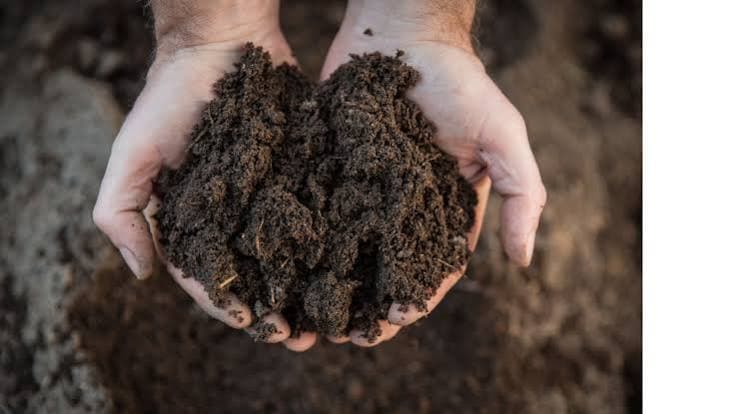
Biosolids as Fertilizer: Why Nearly 60% of Sewage Sludge Still Gets Land-Applied
Despite growing concerns over contaminants like PFAS, the EPA recognizes that nearly 60% of sewage sludge in the United States continues to be land-applied as biosolids. This practice remains a popular and cost-effective fertilizer option for both wastewater utilities and farmers.
Biosolids as Fertilizer: Why Land Application Remains Dominant Despite PFAS Concerns
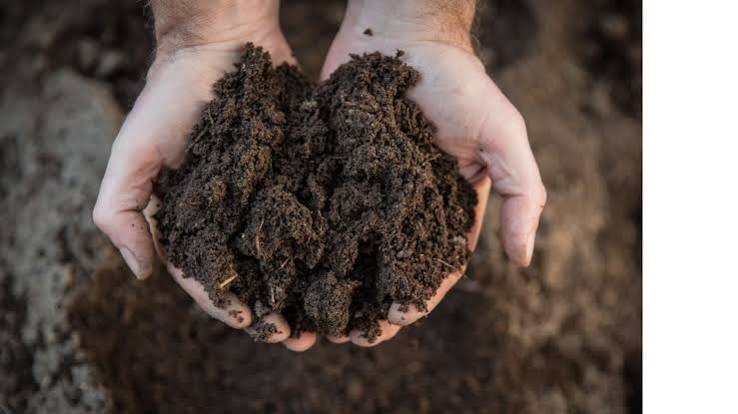
Biosolids — the nutrient-rich organic material produced from treated sewage sludge — serve as a valuable source of nitrogen, phosphorus, and organic matter for agriculture. Their continued widespread use highlights a complex balance between environmental benefits, economic realities, and emerging risks.
Why Land Application Persists
Cost-Effectiveness: For wastewater treatment facilities, land application is often significantly cheaper than incineration or landfill disposal.
Nutrient Recycling: Biosolids return valuable nutrients to the soil, reducing the need for synthetic fertilizers and supporting circular economy principles.
Soil Health Benefits: The organic matter in biosolids improves soil structure, water retention, and microbial activity.
Farmer Demand: Many agricultural operations, especially in regions with nutrient-deficient soils, rely on biosolids as a reliable and affordable fertilizer source.
Regulatory Acceptance: The EPA maintains a comprehensive regulatory framework (40 CFR Part 503) that governs biosolids quality and application, provided certain standards are met.
The PFAS Challenge
The persistence of land application occurs even as concerns over per- and polyfluoroalkyl substances (PFAS) in biosolids intensify. These “forever chemicals” can accumulate in soil and potentially enter crops, livestock, and water systems. The EPA’s recent draft guidance on PFOA and PFOS in biosolids reflects these growing worries, yet the practice continues at scale due to limited viable alternatives for many municipalities.
Regional and Practical Considerations
Land application rates vary significantly by region. Areas with large agricultural sectors and suitable soils tend to have higher usage rates. Utilities must carefully manage application sites, follow best management practices, and conduct regular testing to remain in compliance.
Implications for Agrochemical and Fertilizer Supply Chains
Complementary Inputs: Biosolids users often combine them with commercial fertilizers and crop protection products, creating interconnected supply chains.
Risk Management: Farmers and suppliers must stay informed about PFAS testing requirements and potential future restrictions.
Market Opportunities: The situation is driving demand for PFAS-testing services, alternative amendments, and advanced treatment technologies.
Sustainability Trade-offs: While biosolids support nutrient recycling goals, PFAS contamination presents a notable challenge to broader ESG objectives.
Future Outlook
The tension between the economic and environmental benefits of biosolids versus emerging contaminant risks will likely shape the market for years to come. The industry may see increased investment in advanced treatment methods to remove PFAS, development of standardized testing protocols, and greater differentiation between high-quality Class A biosolids and more restricted materials.
For now, the fact that nearly 60% of sewage sludge continues to be land-applied demonstrates the strong practical advantages of this practice — even as the sector navigates intensifying regulatory and public scrutiny.
Strategic Takeaway
Stakeholders across the fertilizer and crop protection industries should monitor evolving PFAS regulations closely while preparing for a future where biosolids use may become more selective, better tested, and more tightly managed.
Betaine Anhydrous CAS: 107-43-7