

Sodium Hexametaphosphate: From Detergent Builder to Water Treatment Sequestrant
Introduction
Sodium Hexametaphosphate (SHMP) is one of the most versatile phosphate-based chemicals used across a wide range of industries. Known for its excellent sequestration, dispersing, and water-softening properties, SHMP has become an essential ingredient in detergents, water treatment systems, food processing, ceramics, and industrial cleaning applications.
Although it often operates behind the scenes, Sodium Hexametaphosphate plays a critical role in improving product performance, enhancing process efficiency, and protecting industrial equipment from scale formation and mineral deposits. As industries continue to prioritize efficiency, water conservation, and product quality, SHMP remains a highly valuable specialty chemical with broad industrial relevance.
What Is Sodium Hexametaphosphate?
Sodium Hexametaphosphate is an inorganic polyphosphate compound composed of repeating phosphate units. It typically appears as a white crystalline powder or granular material that dissolves readily in water.
The chemical is particularly valued for its ability to bind metal ions such as calcium, magnesium, iron, and other hardness-causing minerals. This sequestration capability prevents unwanted chemical reactions, scale formation, and precipitation, making SHMP an important additive in many industrial processes.
Key Properties of Sodium Hexametaphosphate
Excellent sequestration of metal ions.
Effective water-softening capabilities.
Strong dispersing properties.
High solubility in water.
Scale prevention performance.
Chemical stability in various formulations.
These characteristics make SHMP an indispensable ingredient across multiple sectors.
SHMP as a Detergent Builder
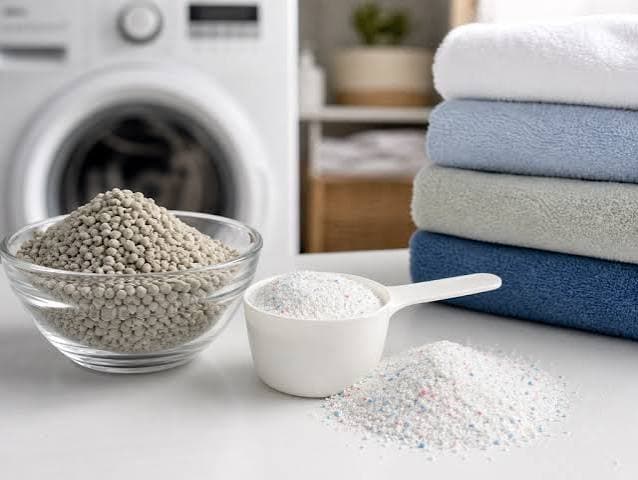
One of the traditional and most widespread uses of Sodium Hexametaphosphate is in detergent formulations.
Water Softening Function
Hard water contains calcium and magnesium ions that can reduce the effectiveness of cleaning agents. SHMP binds these minerals, preventing them from interfering with detergent performance.
Enhanced Cleaning Efficiency
By softening water and reducing mineral interference, SHMP allows surfactants to perform more effectively, resulting in improved soil removal and cleaning power.
Prevention of Residue Formation
The chemical helps prevent the redeposition of dirt and mineral residues on cleaned surfaces, improving overall cleaning results.
Applications in Cleaning Products
SHMP is commonly used in:
Laundry detergents.
Industrial cleaners.
Dishwashing formulations.
Surface cleaning products.
Institutional cleaning chemicals.
Its ability to maximize detergent efficiency has made it a valuable component in cleaning formulations worldwide.
Importance in Water Treatment Systems
Sodium Hexametaphosphate is widely recognized for its effectiveness as a sequestrant in water treatment applications.
Scale Prevention
Mineral scale can significantly reduce the efficiency of pipes, boilers, cooling towers, and heat exchangers. SHMP prevents calcium and magnesium ions from forming hard deposits on equipment surfaces.
Iron and Manganese Control
The chemical helps keep dissolved iron and manganese in solution, preventing staining, discoloration, and operational problems in water systems.
Improved Equipment Lifespan
By minimizing scale buildup and mineral deposits, SHMP helps reduce maintenance requirements and extend equipment service life.
Municipal and Industrial Water Treatment
Applications include:
Drinking water systems.
Cooling water treatment.
Boiler water treatment.
Industrial process water.
Water distribution networks.
As industries focus on water conservation and operational efficiency, SHMP continues to play a crucial role in water management programs.
Applications in Food Processing
Sodium Hexametaphosphate is also widely used as a food additive and processing aid.
Texture Improvement
In food products, SHMP helps maintain desirable texture and consistency by controlling interactions between minerals and proteins.
Moisture Retention
The compound improves water retention in certain food products, helping maintain freshness and product quality.
Food Industry Uses
Common applications include:
Processed meats.
Seafood products.
Dairy products.
Beverage formulations.
Bakery ingredients.
Its functionality and regulatory acceptance make it a valuable ingredient for food manufacturers.
Role in Ceramic and Industrial Manufacturing
SHMP is frequently utilized in ceramic production and various industrial processes.
Dispersing Agent
In ceramic slurries and clay formulations, SHMP improves particle dispersion, resulting in smoother processing and higher-quality finished products.
Improved Manufacturing Efficiency
By reducing particle agglomeration, the chemical helps maintain consistency and process stability during production.
Industrial Processing Applications
Additional uses include:
Pigment manufacturing.
Mineral processing.
Paper production.
Textile processing.
Industrial coatings.
Its dispersing capabilities contribute significantly to production efficiency and product quality.
Benefits of Sodium Hexametaphosphate
Several factors contribute to SHMP's widespread industrial adoption.
Multifunctional Performance
A single additive can provide sequestration, dispersion, scale prevention, and water-softening benefits simultaneously.
Cost-Effective Processing
Improved process efficiency and equipment protection help reduce operational costs.
Enhanced Product Quality
SHMP improves consistency, stability, and performance in numerous formulations.
Equipment Protection
The chemical helps prevent costly maintenance and downtime caused by mineral scaling and deposits.
These advantages make SHMP an attractive solution across many industries.
Market Trends Driving Demand
Several global trends continue to support demand for Sodium Hexametaphosphate.
Growing Water Treatment Requirements
Increasing industrialization and water scarcity concerns are driving investment in efficient water treatment technologies.
Expansion of Cleaning Product Markets
Demand for high-performance detergents and industrial cleaners continues to grow worldwide.
Food Processing Industry Growth
Rising consumption of processed and convenience foods supports the use of specialty food additives.
Industrial Modernization
Manufacturers increasingly seek additives that improve productivity and reduce maintenance costs.
These factors are expected to contribute to sustained market demand in the coming years.
Procurement Considerations for Buyers
When sourcing Sodium Hexametaphosphate, buyers should evaluate:
Product purity and specification requirements.
Food-grade versus industrial-grade classifications.
Compliance with regulatory standards.
Supplier manufacturing capabilities.
Packaging and storage conditions.
Consistency of product quality.
Supply chain reliability.
Partnering with reputable suppliers helps ensure stable supply and reliable performance.
Future Outlook
The global market for Sodium Hexametaphosphate is expected to remain strong due to its broad range of industrial applications. Continued growth in water treatment, food processing, industrial cleaning, and manufacturing sectors will support long-term demand.
As industries focus on operational efficiency, equipment protection, and resource conservation, SHMP's role as a multifunctional sequestrant and dispersing agent is likely to become even more important.
Conclusion
Sodium Hexametaphosphate is far more than a traditional detergent builder. Its exceptional ability to sequester metal ions, soften water, prevent scale formation, and improve process efficiency has made it a cornerstone chemical across numerous industries.
From enhancing detergent performance and protecting water systems to improving food quality and supporting industrial manufacturing, SHMP continues to deliver value in countless applications. As industrial processes evolve and efficiency becomes increasingly important, Sodium Hexametaphosphate will remain an essential chemical for modern manufacturing and water management solutions.
Monosodium Glutamate (E621) CAS: 6106-04-3