The Cost of Cleaning Up: Why PFAS Removal From Biosolids Runs Into Millions Per Pound
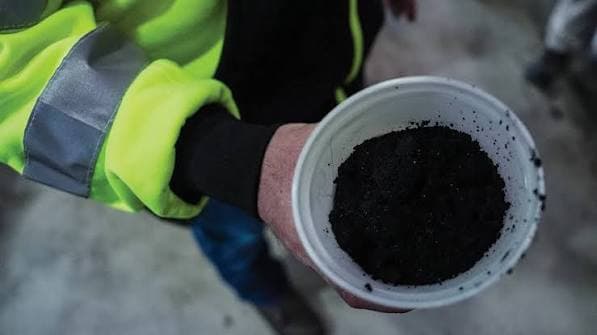
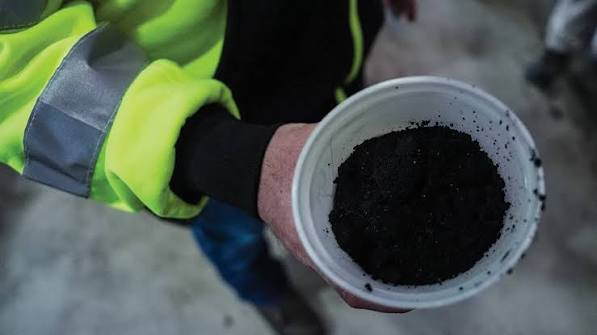
Removing and destroying PFAS from biosolids is proving to be an extremely expensive challenge for municipal wastewater facilities. According to research from the Minnesota Pollution Control Agency, the cost of PFAS treatment can range between $2.7 million and $18 million per pound of PFAS removed. These enormous costs are likely to flow downstream and impact the broader agricultural input chain.
The Cost of Cleaning Up: Why PFAS Removal From Biosolids Is So Expensive
Per- and polyfluoroalkyl substances (PFAS) are notoriously difficult to break down due to their strong carbon-fluorine bonds. This “forever chemical” characteristic makes effective removal and destruction from biosolids both technically complex and financially burdensome.
Why Costs Are So High
Advanced Technology Requirements: Effective PFAS removal typically requires sophisticated methods such as granular activated carbon (GAC), ion exchange, reverse osmosis, or emerging destruction technologies like supercritical water oxidation and plasma treatment.
Low Concentrations, High Volume: PFAS are often present in trace amounts across very large volumes of biosolids, making treatment inefficient and costly on a per-pound basis.
Energy Intensity: Many destruction technologies are highly energy-consuming, adding significantly to operational expenses.
Waste Management: The process often generates secondary waste streams that also require specialized handling and disposal.
Regulatory Compliance: Facilities must meet increasingly strict testing, monitoring, and reporting standards, adding to administrative costs.
Impact on the Agricultural Input Chain
These staggering per-pound costs have serious implications:
Higher Fertilizer Prices: Municipalities may pass on increased treatment costs through higher tipping fees or biosolids prices.
Reduced Biosolids Availability: Some facilities may choose to divert biosolids from land application to incineration or landfill, reducing supply for farmers.
Shift Toward Alternatives: Demand for synthetic fertilizers, compost, and other soil amendments could rise as biosolids become more expensive or restricted.
Increased Testing Costs: Farmers and suppliers will likely face higher costs for PFAS testing and certification.
Challenges for Municipalities and Farmers
Many wastewater utilities are caught between regulatory pressure to reduce PFAS and the prohibitive cost of doing so. Smaller facilities, in particular, may struggle to absorb these expenses without significant rate increases or external funding.
Potential Solutions and Industry Response
Development of more cost-effective PFAS destruction technologies
Greater federal and state funding support for cleanup efforts
Improved upstream source control (reducing PFAS entering wastewater systems)
Innovation in alternative biosolids treatment and beneficial reuse options
Strategic Considerations for Agrochemical and Fertilizer Stakeholders
Diversify Fertilizer Sources: Reduce heavy reliance on biosolids-based products.
Invest in Testing: Build robust PFAS monitoring programs into supply chains.
Explore Alternatives: Evaluate PFAS-free organic and mineral fertilizer options.
Advocate for Support: Push for balanced policies that address contamination without crippling beneficial reuse programs.
Long-term Planning: Prepare for a future where biosolids use may be more selective and expensive.
The Bottom Line
The extreme cost of PFAS removal — reaching millions of dollars per pound — highlights the massive economic challenge of managing these persistent chemicals. As the burden of these costs works its way through the system, it will likely reshape fertilizer markets, biosolids management practices, and overall agricultural input economics for years to come.