Water Treatment Chemical Demand Surges Globally as Middle East Desalination Comes Under Pressure
Introduction
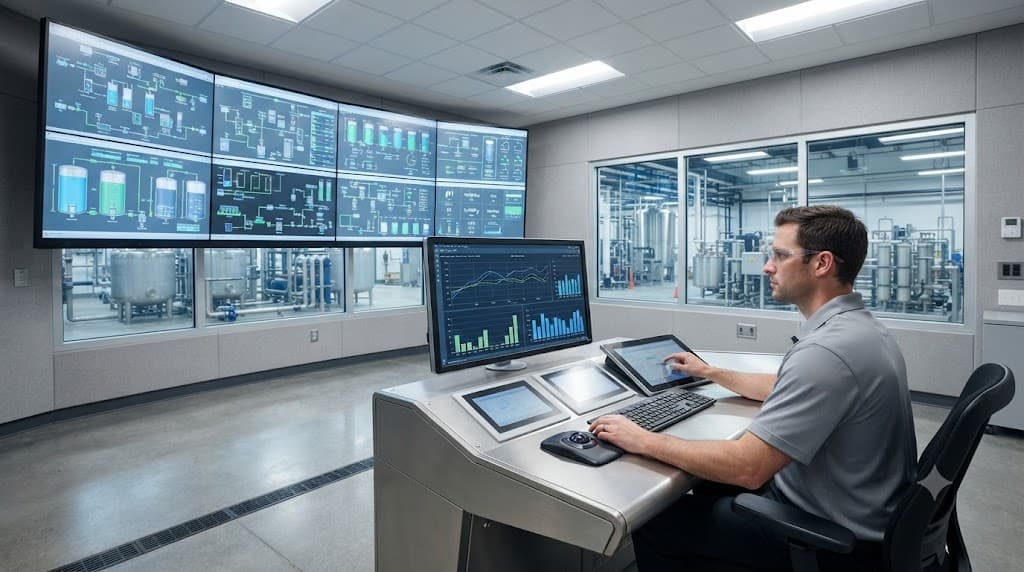
The global demand for water treatment chemicals is experiencing significant growth as industries, municipalities, and utilities confront increasing water scarcity and stricter environmental regulations. One of the key drivers behind this surge is the mounting pressure on desalination infrastructure in the Middle East, a region heavily dependent on seawater desalination to meet its freshwater requirements.
As populations grow, industrial activities expand, and climate change intensifies water stress, the need for effective water treatment solutions has become more critical than ever. This trend is creating substantial opportunities for manufacturers and suppliers of water treatment chemicals worldwide.
Why Water Treatment Chemical Demand Is Rising
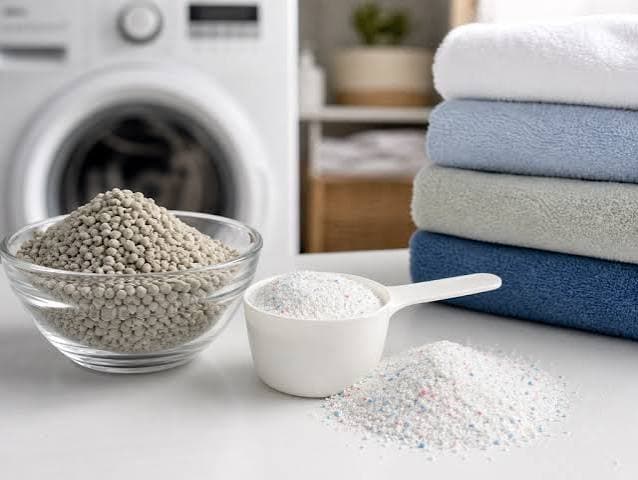
Water treatment chemicals play a crucial role in ensuring water quality, protecting infrastructure, and improving operational efficiency. These chemicals are widely used in municipal water systems, industrial facilities, power plants, and desalination plants.
Several factors are driving global demand:
Increasing Water Scarcity
Many regions are experiencing declining freshwater resources due to prolonged droughts, over-extraction of groundwater, and changing climate patterns. Governments and industries are investing heavily in water treatment and recycling systems to secure reliable water supplies.
Stricter Environmental Regulations
Regulatory authorities worldwide are implementing tighter standards for wastewater discharge and drinking water quality. Compliance with these regulations requires advanced treatment processes supported by specialized chemicals.
Industrial Expansion
Industries such as chemicals, oil and gas, food processing, pharmaceuticals, and power generation require large volumes of treated water. As industrial production increases, so does the demand for treatment chemicals that ensure process efficiency and environmental compliance.
Middle East Desalination Sector Under Pressure
The Middle East remains one of the world's largest desalination markets, with countries such as Saudi Arabia, the UAE, Kuwait, and Qatar relying heavily on desalinated seawater.
However, the sector faces growing challenges:
Rising energy costs impacting operational expenses.
Increased demand for freshwater driven by population growth.
Aging desalination infrastructure requiring maintenance and upgrades.
Environmental concerns related to brine disposal and marine ecosystems.
Higher temperatures and changing seawater conditions affecting plant performance.
These pressures are leading operators to seek more efficient treatment solutions, significantly increasing the consumption of specialty chemicals.
Key Chemicals Driving Market Growth
Several categories of water treatment chemicals are benefiting from this trend:
Coagulants and Flocculants
These chemicals help remove suspended particles and impurities from water, improving filtration efficiency and reducing operational costs.
Antiscalants
Desalination plants rely heavily on antiscalants to prevent mineral deposits from forming on membranes and equipment. As desalination capacity expands, antiscalant demand continues to rise.
Biocides and Disinfectants
Microbial contamination can reduce system performance and compromise water quality. Biocides and disinfectants are essential for maintaining operational reliability.
Corrosion Inhibitors
Water treatment systems and pipelines are vulnerable to corrosion, particularly in harsh saline environments. Corrosion inhibitors help extend equipment life and reduce maintenance expenses.
pH Adjusters and Specialty Chemicals
These products optimize treatment processes and improve overall system efficiency, particularly in advanced desalination facilities.
Regional Market Opportunities
Gulf Cooperation Council (GCC)
The GCC countries continue investing billions of dollars in desalination projects and water infrastructure modernization. This creates substantial opportunities for suppliers of membrane treatment chemicals, antiscalants, and corrosion inhibitors.
Asia-Pacific
Rapid urbanization and industrialization are driving water treatment investments across China, India, and Southeast Asia, contributing significantly to global market growth.
North America and Europe
Growing emphasis on water reuse, sustainability, and industrial wastewater treatment is increasing demand for advanced treatment chemicals and innovative technologies.
Innovation Reshaping the Industry
Chemical manufacturers are focusing on developing more sustainable and efficient solutions. Key innovation areas include:
Environmentally friendly treatment formulations.
High-performance membrane cleaning chemicals.
Smart water treatment monitoring systems.
Reduced chemical consumption technologies.
Advanced wastewater recycling solutions.
These innovations help operators improve efficiency while meeting increasingly strict environmental requirements.
Future Outlook
The outlook for the global water treatment chemicals market remains highly positive. Water scarcity, population growth, industrial expansion, and increasing dependence on desalination are expected to support long-term demand growth.
In the Middle East, continued investments in desalination and water security projects will further strengthen the need for advanced treatment chemicals. Companies capable of delivering cost-effective, sustainable, and high-performance solutions are likely to benefit the most from this evolving market landscape.
Conclusion
The global surge in water treatment chemical demand reflects the growing importance of water security in an increasingly resource-constrained world. As Middle Eastern desalination facilities face mounting operational and environmental pressures, the role of advanced water treatment chemicals becomes even more critical. From antiscalants and biocides to corrosion inhibitors and specialty formulations, these products are helping ensure reliable access to clean water while supporting the efficiency and sustainability of modern water infrastructure.
Iodine Solution CAS: 7553-56-2